

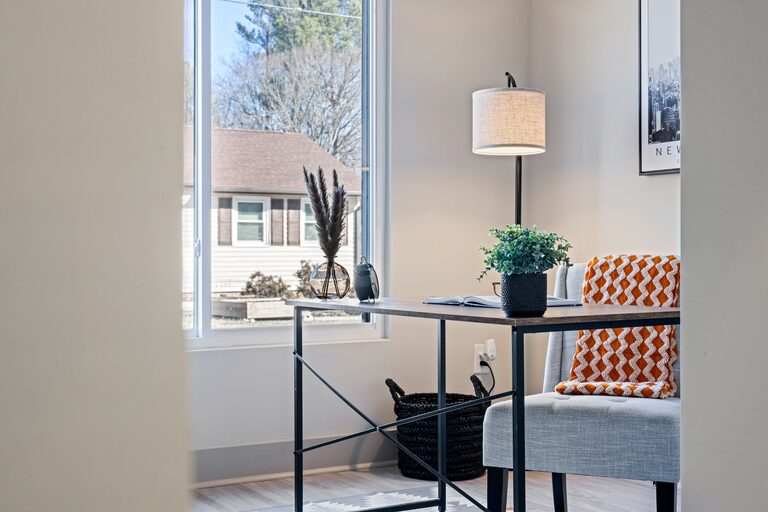
Creating a cozy and functional home office space is essential for maintaining productivity and comfort while working from home. Whether you have a dedicated room or just a corner in your living space, thoughtful design can make a big difference. This guide offers practical tips to help you build a workspace that supports your needs and feels inviting.
Choose the Right Location
Selecting the best spot for your office is the first step in creating a pleasant workspace.
– Natural Light: Opt for a place with plenty of natural light. Sunlight helps reduce eye strain and boosts mood.
– Quiet Area: Pick a quiet part of your home to minimize distractions, especially if you join video calls or need focus.
– Space Availability: Consider how much room you need for your equipment and allow space for movement.
Invest in Comfortable and Ergonomic Furniture
Comfort is key to staying productive and avoiding strain during long work hours.
– Ergonomic Chair: Invest in a chair that supports your lower back and encourages good posture.
– Desk Space: Choose a desk with enough surface area for your computer, paperwork, and accessories.
– Adjustable Features: If possible, opt for adjustable desks or standing desks to change positions throughout the day.
Organize Your Office Supplies and Equipment
Keeping your workspace tidy reduces stress and increases efficiency.
– Storage Solutions: Use shelves, filing cabinets, and desk organizers to keep everything in its place.
– Cable Management: Use clips or cable boxes to keep cords neat and out of the way.
– Minimal Clutter: Keep only essential items on your desk to maintain a clean and inviting space.
Personalize Your Space
Adding personal touches makes your home office feel welcoming.
– Decor: Use artwork, plants, or photos that inspire and calm you.
– Color Scheme: Choose soothing colors like soft blues or greens, or energizing hues like yellows to motivate.
– Lighting: Combine natural light with warm, adjustable lighting to reduce eye strain and create ambiance.
Incorporate Functional Technology
Technology helps you stay connected and work efficiently.
– Reliable Internet: Ensure a strong Wi-Fi connection in your workspace.
– Quality Equipment: Invest in a good computer, keyboard, mouse, and headset if needed.
– Backup Power: Consider a surge protector or uninterruptible power supply for important devices.
Create Boundaries Between Work and Home
Separating work from home life helps maintain work-life balance.
– Physical Barriers: Use screens or room dividers if your office shares space with living areas.
– Work Hours: Set clear hours to start and end your workday.
– Break Areas: Designate a spot away from your desk for breaks to refresh your mind.
Maintain Air Quality and Comfort
A comfortable environment supports focus and well-being.
– Ventilation: Ensure good airflow by opening windows or using fans.
– Temperature Control: Use heaters or air conditioners to stay comfortable throughout the year.
– Plants: Add indoor plants to improve air quality and add a natural touch.
Regularly Refresh Your Space
Keeping your home office updated helps maintain a positive work environment.
– Declutter Weekly: Make it a habit to tidy up your desk and organize supplies.
– Rotate Decor: Change artwork or plants seasonally to keep the area feeling fresh.
– Assess Ergonomics: Periodically review your setup to make sure it remains comfortable.
Conclusion
Designing a cozy and functional home office is about balancing comfort, organization, and personalization. By choosing the right location, investing in ergonomic furniture, and adding small thoughtful details, you can create a space that supports productivity and makes working from home enjoyable. Take the time to plan and customize your workspace—you’ll likely find your work days more focused and fulfilling.